
Processes are scattered across WhatsApp and Excel
Statuses are checked manually, data is duplicated and results depend on what individual employees remember.
→We bring leads, clients, statuses, documents and responsibility into one operational flow.
Digital products and business systems
Leads, clients, employees, documents, partners and internal workflows can operate in one system instead of scattered spreadsheets, chats and manual control.
Does this look familiar?
The signal is usually not technology. It is the daily loss of time, control and context.
Statuses are checked manually, data is duplicated and results depend on what individual employees remember.
Your process is more complex than a generic template, so the team works around the system instead of through it.
Each side sees only part of the process and data has to be moved manually between channels.
But the first-version scope, architecture, user journeys and route to launch are still unclear.
Practical outcome
We do not sell abstract “digital transformation.” The goal is to make a specific process clearer, more controllable and less dependent on manual work.
Key information and actions live in one system instead of being searched across chats, spreadsheets and separate tools.
The same information is not re-entered at every next step.
Roles, statuses and the next action are defined inside the system rather than held in verbal agreements.
Rules, decisions and context are documented alongside development instead of disappearing with individual team members.
New roles, processes and business lines can be added in a controlled way instead of through an endless layer of workarounds.
What we can build
We define the business outcome first. The product format comes after that.
Leads, projects, employees, documents, finance, warehouse, statuses and execution control in one operational flow.
Personal data, orders, statuses, documents, notifications and actions tailored to each role.
From the product model and user journeys to a working first version and further development.
Not just a landing page: it can be connected to calculations, forms, backend logic and the core product.
You do not need a finished technical specification. It is enough to explain what is inefficient today or what needs to exist.
Proof in practice
MR.DO is one connected digital ecosystem: client application, project management, regional operators, partners, finance, documents and operational workflows.
MR.DO / client product
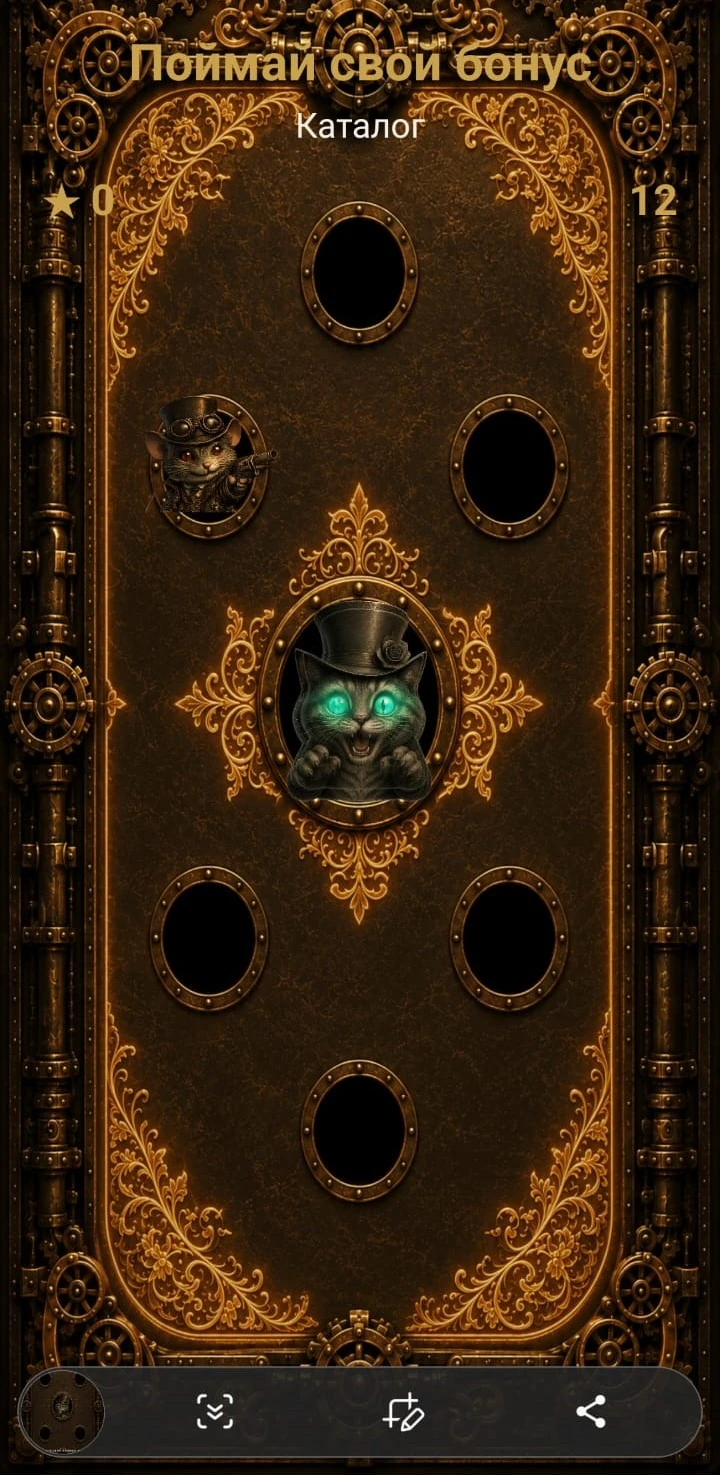
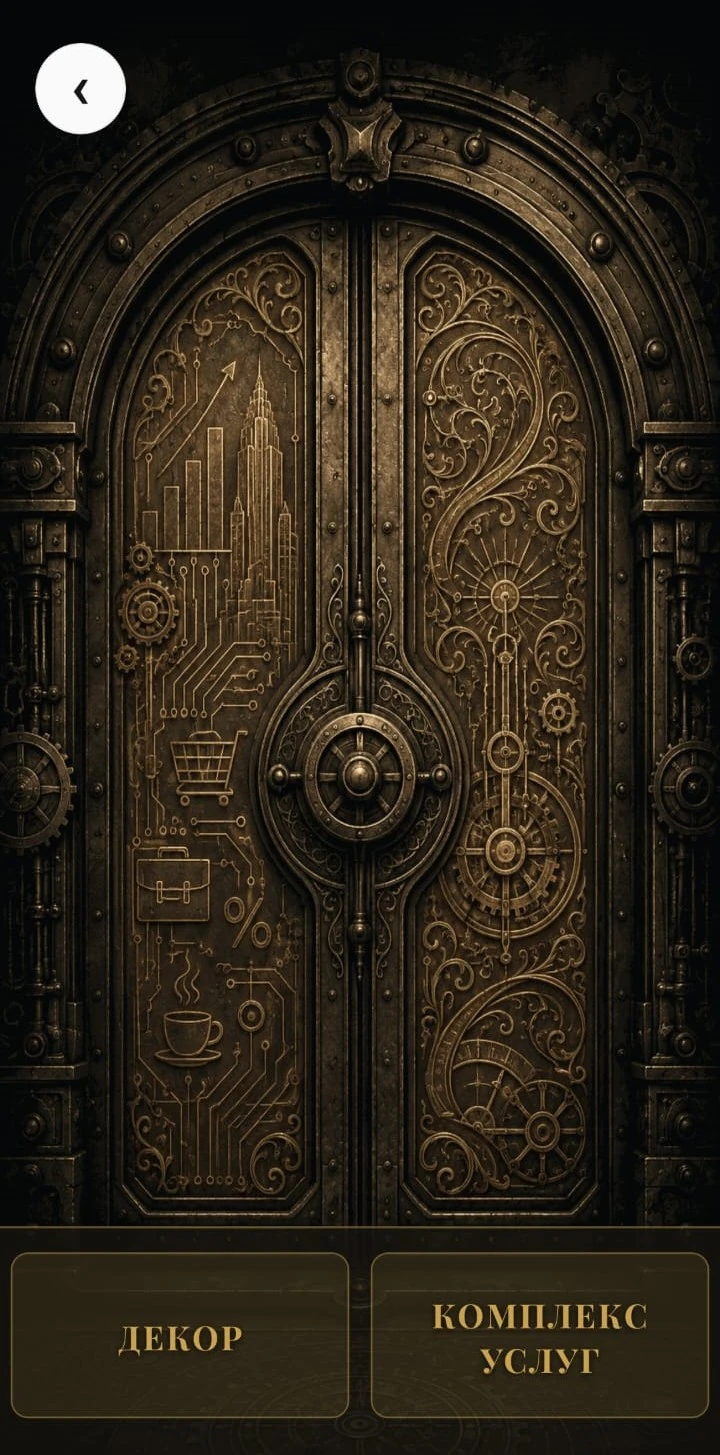
A branching quiz routes the user to the right path, while a game mechanic becomes part of the experience. Visual direction and product logic are designed together.

MR.DO / operational layer
You do not need to understand dozens of screens. The principle is what matters: project, money, documents and different roles all use connected data.
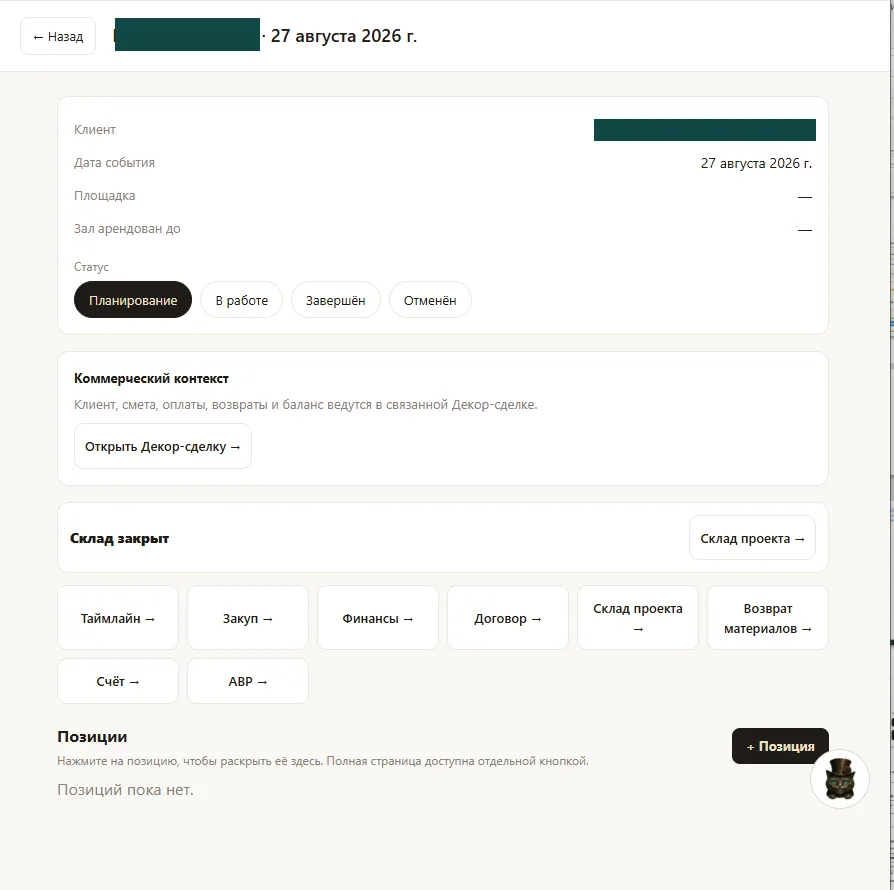
Statuses, commercial context, timeline, procurement, finance, contract, warehouse, invoice and acceptance act live in one operational flow.
Case scale
Estimated effort for a traditional product team to reproduce a platform of comparable scope.
The range depends on geography, team composition, rates and delivery model.
For a comparable product. Client approvals, major changes, alpha testing and stabilization are planned separately.
This is not a valuation of the MR.DO business. It is an estimate of product scale and the effort required to reproduce a comparable system.
Product and market
That is why we treat the application, landing page, positioning and future changes as interdependent parts of one system. If the product changes, we check the public promise. If the market proposition changes, we check whether the product actually supports it.

MR.DO presentation web product: offer structure, user journeys and routes into ecosystem services.
Open site ↗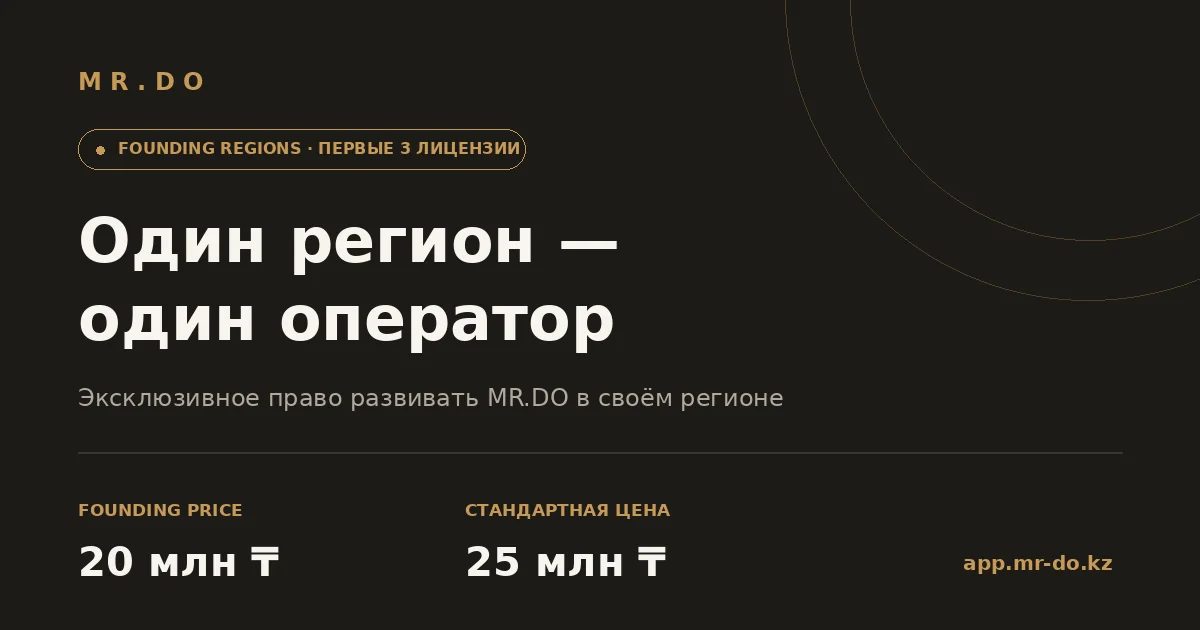
A sales landing page with server-side territory verification, multilingual support and a connected inquiry flow.
Open site ↗How we reduce risk
Engineering discipline is not there for terminology. It protects timelines, knowledge and product manageability as the system grows.
Before core development we establish the goal, users, critical journeys and first-version boundaries.
Each stage has dependencies, an output and an approval point. A material return to an approved decision is treated as a scope change.
Isolated development, checks, migrations, release and post-release environment verification are part of the process.
The knowledge base, architectural decisions and in-product context are updated alongside development, not reconstructed afterward.
Getting started
The first conversation is for understanding the challenge, not for selling a pre-selected solution.
What is not working today, what needs to change or what product you want to launch.
We define users, business process, first-version boundaries and critical dependencies.
We define the approach, stages, timing range and the cost of the next step.
Discuss the challenge
A few sentences are enough to start. If you already have a product vision, expand the additional questions — they help us understand scope faster. Our primary contact channel is WhatsApp.
Message us directly on WhatsApp ↗